Delving into the World of Mushroom Spawn, Cultures, and Dowels: Understanding the Basics for Successful Mushroom Cultivation

Mushrooms, with their unique flavors, textures, and health benefits, have become a popular culinary ingredient in many cuisines around the world. But did you know that mushrooms can also be grown at home or on a larger scale through a process called mushroom cultivation? One essential aspect of mushroom cultivation is the use of mushroom spawn, cultures, and dowels. Let's take a closer look at these key components and understand how they play a crucial role in successful mushroom cultivation.
Mushroom Spawn: The Foundation of Mushroom Cultivation
Mushroom spawn is the vegetative mycelium of the mushroom that serves as the foundation for mushroom cultivation. Mycelium is the thread-like structure of the mushroom that grows underground or within the substrate, which is the material that the mushrooms grow on. Mushroom spawn acts as the "seed" for growing mushrooms, as it contains the mycelium that will eventually give rise to the fruiting bodies, or mushrooms.
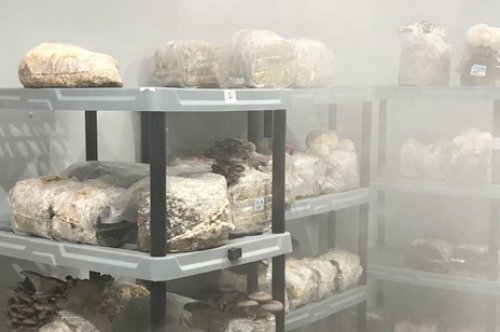
Mushroom spawn is typically produced in a controlled environment by inoculating a substrate, such as sterilized grains, with mushroom spores or mycelium. The mycelium then grows and colonizes the substrate, forming a network of threads that will later develop into mushrooms. Mushroom spawn can be purchased from reputable suppliers or produced at home using sterile techniques and appropriate materials.
Mushroom Cultures: Preserving and Propagating Mushroom Genetics
Mushroom cultures refer to the isolated strains of mushrooms that are maintained in a laboratory or home setting. Cultures are used to preserve and propagate specific mushroom genetics, ensuring consistent characteristics and traits in the cultivated mushrooms. Cultures are typically obtained from mushroom fruiting bodies or mushroom spores and are grown on a culture medium, which is a nutrient-rich agar or other substrates that provide the necessary nutrients for the mycelium to grow.
Maintaining mushroom cultures involves careful handling to prevent contamination, such as using sterile techniques, and storing them in a controlled environment with appropriate temperature and humidity conditions. Cultures can be stored in a refrigerator or a culture library, and they can be used to inoculate new substrates with mycelium for mushroom cultivation.
Dowels: Inoculating Mushroom Logs for Outdoor Cultivation
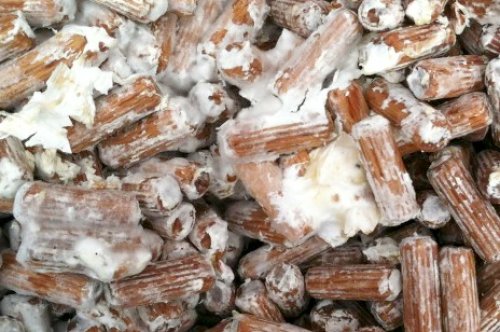
Dowels are small wooden pegs that are inoculated with mushroom mycelium and used for outdoor mushroom cultivation on logs. This method is commonly known as "plug spawn" or "dowel spawn" technique. Dowels are usually made from hardwood, such as oak or maple, and are sterilized to remove any competing organisms before being inoculated with mushroom mycelium.
To cultivate mushrooms using dowels, holes are drilled into freshly cut logs, and the dowels are inserted into the holes. The mycelium in the dowels will then grow and colonize the log, eventually producing mushrooms as the mycelium matures. Outdoor cultivation using dowels is a popular method for growing mushrooms such as shiitake, oyster, and lion's mane, among others.
Conclusion
Mushroom spawn, cultures, and dowels are essential components in the world of mushroom cultivation. Mushroom spawn serves as the foundation for growing mushrooms, cultures are used to preserve and propagate specific mushroom genetics, and dowels are used for outdoor cultivation on logs. Understanding these basic concepts and using them appropriately can greatly contribute to successful mushroom cultivation. Whether you're a seasoned mushroom cultivator or a beginner, mastering the art of working with mushroom spawn, cultures, and dowels opens up a world of possibilities for growing a wide variety of delicious and nutritious mushrooms in your own home or on a larger scale.