Unlocking the Secrets of Mushroom Cultivation Supplies: A Comprehensive Guide for Mushroom Enthusiasts
Mushroom cultivation has gained immense popularity in recent years due to the unique flavors, textures, and health benefits that mushrooms offer. If you're interested in embarking on your own mushroom cultivation journey, understanding the essential supplies needed for successful mushroom cultivation is crucial. From substrates to containers, here's a comprehensive guide to help you navigate the world of mushroom cultivation supplies.
- Substrates
Substrates are the materials on which mushrooms grow. They provide the necessary nutrients for the mycelium, the thread-like structure of the mushroom, to grow and eventually produce mushrooms. Common substrates used in mushroom cultivation include straw, wood chips, sawdust, and agricultural by-products like corn cobs or coffee grounds.
Different mushroom species have different substrate preferences, so it's important to research and choose the appropriate substrate for the type of mushrooms you want to grow. Substrates need to be properly prepared before inoculation with mushroom spawn, which can involve sterilization or pasteurization to eliminate competing organisms and create favorable conditions for the mycelium to grow.
- Mushroom Spawn
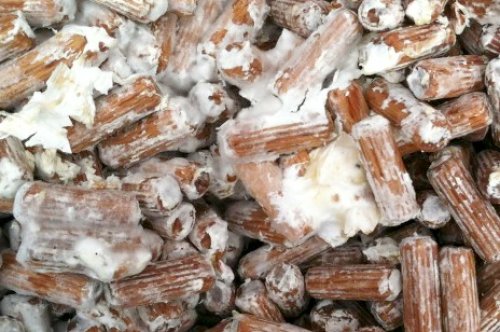
Mushroom spawn serves as the "seed" for growing mushrooms. It's the mycelium of the mushroom that has been grown on a substrate, such as grains, and then used to inoculate the final substrate for mushroom cultivation. Mushroom spawn can be purchased from reputable suppliers or produced at home using sterilized grains and mushroom cultures.
There are different types of mushroom spawn available, including grain spawn, sawdust spawn, and plug spawn. Grain spawn is commonly used for indoor cultivation, while sawdust spawn and plug spawn are popular for outdoor cultivation on logs. Choosing the right type of mushroom spawn depends on the species of mushroom you want to grow and the cultivation method you plan to use.
- Containers
Containers are used to hold the substrate and spawn during the mushroom cultivation process. They can range from simple plastic bags or containers for indoor cultivation to logs or outdoor beds for outdoor cultivation. The size and type of container will depend on the scale and method of cultivation you choose.
For indoor cultivation, plastic bags or containers with air filters are commonly used to create a controlled environment for the mushrooms to grow. For outdoor cultivation on logs, holes are drilled into freshly cut logs, and spawn is inserted into the holes before sealing them with wax. Outdoor beds can be created using a combination of spawn and substrate layered in a designated area.
- Sterilization Equipment
Sterilization is a crucial step in mushroom cultivation to eliminate competing organisms and create a favorable environment for the mycelium to grow. Sterilization equipment, such as pressure cookers or autoclaves, is used to sterilize substrates, containers, and other tools and equipment used in the cultivation process.
It's important to follow proper sterilization techniques and guidelines to ensure a contamination-free environment for successful mushroom cultivation. Sterilization times and temperatures will vary depending on the type of substrate and equipment used, so careful attention to detail is necessary to achieve optimal results.
- Environmental Controls
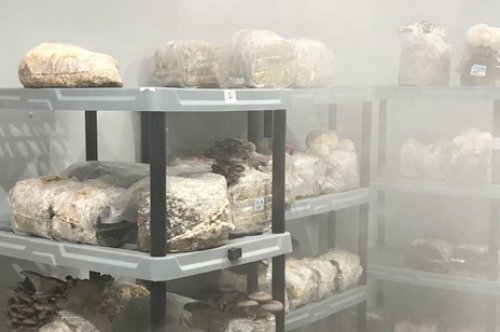
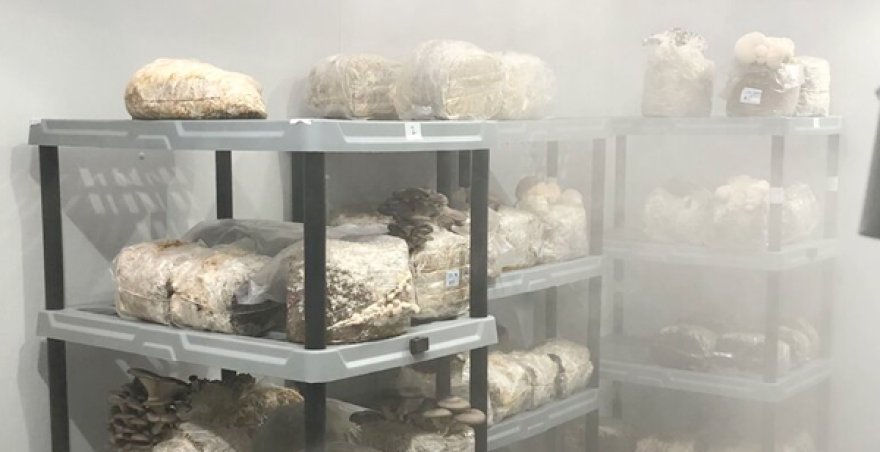
Creating and maintaining the right environmental conditions is essential for successful mushroom cultivation. Mushrooms have specific temperature, humidity, and light requirements, and controlling these factors can greatly impact the growth and development of mushrooms.
For indoor cultivation, environmental controls such as heaters, humidifiers, fans, and lighting systems may be needed to create the ideal conditions for mushroom growth. Monitoring and adjusting temperature, humidity, and light levels are crucial for the different stages of mushroom cultivation, from mycelium colonization to fruiting body development.
- Harvesting Toolt / Spawning Tools
Spawning tools are used for inoculating substrates with mushroom spawn. These can include tools such as spawn needles, scalpel or surgical blade, and alcohol or flame sterilizers. Spawn needles are used to transfer the mushroom spawn to the substrate, while a scalpel or surgical blade may be used to cut and handle the spawn or substrate. Alcohol or flame sterilizers are used to sterilize the tools to prevent contamination.
- Growing Mediums
In addition to substrates, other growing mediums can be used to support mushroom growth. These can include materials like perlite, vermiculite, or coir, which are often used as casing layers or to create a humid environment for fruiting mushrooms. These growing mediums help to maintain the right moisture levels for mushroom growth and can be essential for certain mushroom species or cultivation methods.
- Pest and Disease Control
Pests and diseases can pose a threat to mushroom cultivation and can result in poor yields or complete crop loss. Having appropriate pest and disease control measures in place is essential for successful mushroom cultivation. This can include using natural or chemical-based insecticides or fungicides, maintaining good hygiene practices, and regularly monitoring for any signs of pest or disease infestation.
- Storage and Packaging Supplies
Once your mushrooms are harvested, you'll need proper storage and packaging supplies to keep them fresh and ready for consumption. These can include food-grade plastic bags, containers, or vacuum sealers for storing fresh mushrooms. Packaging supplies, such as labels, can also be used for branding and marketing if you plan to sell your mushrooms.
- Books and Educational Resources
Lastly, having access to informative books, online resources, and educational materials on mushroom cultivation can greatly benefit your cultivation journey. These resources can provide valuable guidance on cultivation techniques, troubleshooting, and tips for successful mushroom cultivation. Learning from experienced cultivators and staying updated with the latest research and developments in the field can help you improve your mushroom cultivation skills and achieve better results.
In conclusion, mushroom cultivation supplies are essential tools and materials that are required for successful mushroom cultivation. From substrates and spawn to containers, sterilization equipment, environmental controls, harvesting tools, growing mediums, pest and disease control measures, storage and packaging supplies, and educational resources, each supply plays a critical role in the cultivation process. By having the right supplies and using them correctly, you can increase your chances of successful mushroom cultivation and enjoy a bountiful harvest of delicious and nutritious mushrooms. Happy mushroom growing!